REVIEW · ST LUCIA
St Lucia Beginner Scuba Diving Tour
Book on Viator →Operated by Dive Fair Helen · Bookable on Viator
First time underwater can feel like a big leap. This beginner scuba tour keeps it controlled and friendly, with equipment ready, training before you head out, and a real focus on the protected marine areas along St Lucia’s West Coast. I like that the group stays small and the instruction is patient, so you’re not rushed.
Second, I really love the simple, practical setup: you get gear and weights provided, plus an all-in boat break that includes lunch, water, and juice. You’re also choosing between Anse Cochon or Soufriere Beach, both known for clear water and lots of marine life.
One possible drawback: the day depends on conditions, and a couple of people noted that the boat and pickup coordination can feel a bit chaotic when plans shift. If you’re sensitive to timing stress (or boat fumes), plan on arriving early and speaking up right away.
In This Review
- Key Highlights Worth Your Time
- Where Your Scuba Session Happens: Anse Cochon and Soufriere Beach Marine Reserves
- Meeting Point, Transfers, and the Real Meaning of Pickup Zones
- Check-In, Waivers, and Equipment: What You’ll Do Before Getting in the Water
- The Boat Ride: A Short Trip That Sets Up Your Underwater Time
- Your Underwater Session (Beginner-Friendly): Depth, Training, and Pace
- Lunch on Board (Yes, Really): What You Eat and Why It Matters
- Snorkelers Are on the Same Boat: How That Affects Your Day
- Price and Value: Why $132 Can Make Sense for First-Timers
- Who This Experience Is Best For (And Who Should Think Twice)
- Small-Team Strength, But Watch the Morning Details
- Should You Book This St Lucia Beginner Scuba Session?
- FAQ
- FAQ
- How long does the St Lucia beginner scuba session last?
- Where do you meet and what time does it start?
- Is pickup included from all parts of the island?
- What’s included in the price?
- How deep does a beginner tank session go?
- Do you need to bring scuba equipment?
- Are snorkelers on the same boat?
- Is it safe to go if I have asthma or medical conditions?
Key Highlights Worth Your Time
- Small-group feel (max 8 travelers) that helps beginners get attention
- Anse Cochon or Soufriere Beach in marine reserve waters along the West Coast
- All equipment included (tanks, masks, weights) plus instructor-led training
- Boat lunch is part of the price (lunch, water, and juice on board)
- Snorkelers go too, but you won’t necessarily stay with them as a single pack
Where Your Scuba Session Happens: Anse Cochon and Soufriere Beach Marine Reserves
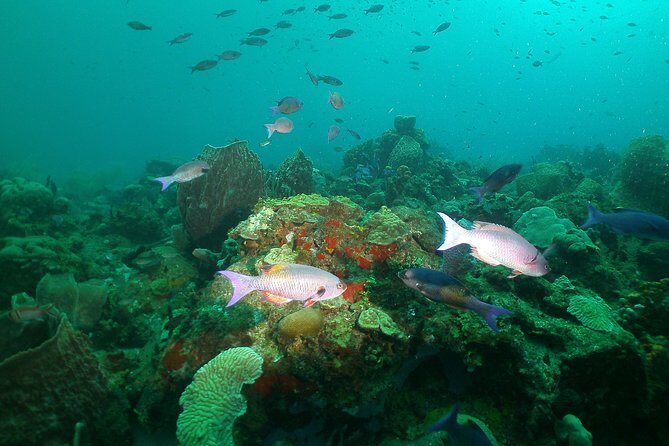
This tour is built around protected waters on St Lucia’s sheltered West Coast. That matters. Marine reserves tend to have healthier coral and more consistent sea-life viewing, which is exactly what you want on a first tank session. Instead of racing from one stop to another, you’re spending your time where the island is set up for responsible snorkeling and scuba.
You’ll go to one of two areas depending on weather and water conditions: Anse Cochon or Soufriere Beach. Both are in the marine reserve zone, so the reefs and fish are part of an environment that’s managed for long-term health.
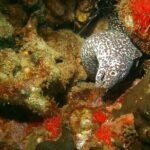
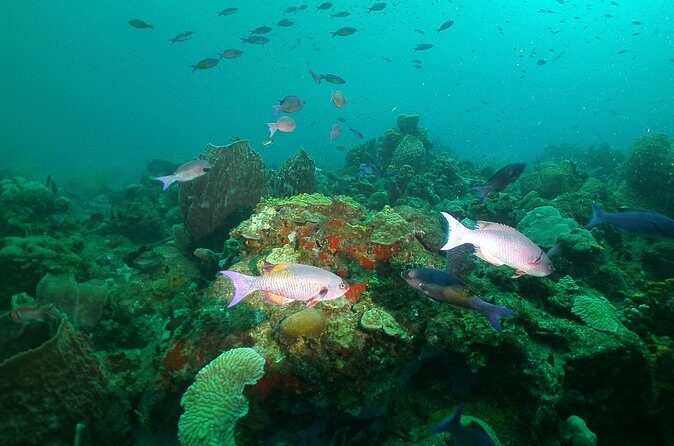
What you should expect underwater: plenty of tropical fish and coral formations. Your exact sightings will vary by day, but the overall goal is the same—an encouraging first experience with clear visibility when conditions cooperate.
You can also read our reviews of more scuba diving tours in St Lucia
Meeting Point, Transfers, and the Real Meaning of Pickup Zones
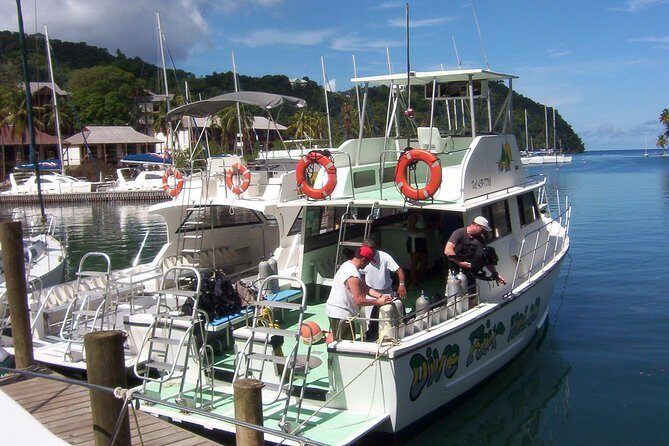
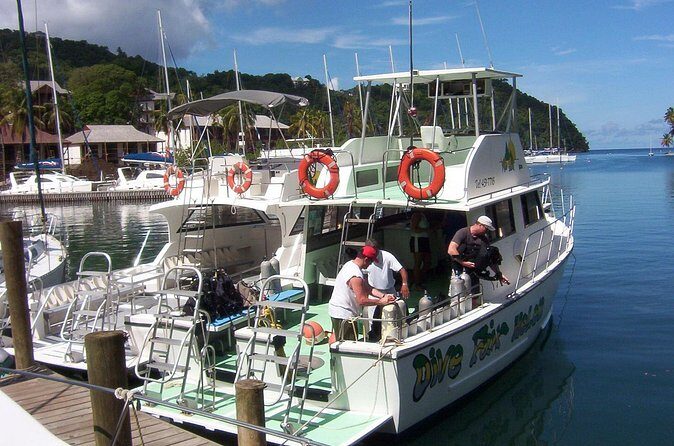
Your day starts at Marigot Bay. You meet at Marigot Beach Club & the shop area in Marigot Bay, and the start time is 10:00am.
Hotel pickup is offered, but only within specific areas: northern to western island locations. If you’re staying in the south—Soufriere, Vieux Fort, Micoud, or Dennery—pickup isn’t included. In those cases, you’ll need to make your own way to the check-in point in Marigot Bay.
This is one of those details that can make or break a smooth morning. Here’s how I’d handle it: if you’re included in pickup, confirm your hotel name and your expected pickup slot ahead of time. If you’re not in the pickup zone, treat Marigot Bay as your main planning hub and plan extra buffer for getting there.
Also note the day runs on timing, not just vibes. Transfers can take longer depending on traffic and time of day, so don’t schedule anything tight right before check-in.
Check-In, Waivers, and Equipment: What You’ll Do Before Getting in the Water
Once you arrive at Marigot Bay, you’ll check in at the scuba shop. After that, you’ll handle the paperwork required for the experience, including a required waiver and a health questionnaire.
Then it’s gear time. You get the essentials:
- Oxygen tank
- Mask
- Weights
This is a beginner-friendly choice. When the equipment is provided, you avoid the common stress of trying to rent the right fit and setup while on vacation. It also means the instructors can standardize what you’re using and keep training consistent.
You’ll also do instructor-led training before you get in the water. That part is the difference between feeling confident and feeling lost. The better instructors don’t just hand you rules—they help you understand what your body is doing and what to do if anything feels off.
The Boat Ride: A Short Trip That Sets Up Your Underwater Time
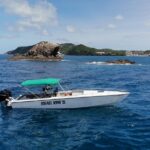
After training and check-in, you board the boat and head out along the West Coast. The boat ride to the day’s best site is typically 15 to 45 minutes, depending on conditions.
This is another detail worth noticing: that ride time varies. If you get seasick easily, it’s smart to bring your own solution. While the experience isn’t marketed as a rough-water adventure, boat exhaust and motion can still bother some people.
Once you reach the site, you’re set up for the main event: the underwater session in protected marine reserve waters.
Your Underwater Session (Beginner-Friendly): Depth, Training, and Pace
Your beginner tank session is designed to be up to 45 feet deep. For new scuba students, that depth target is manageable because the plan is to keep you in a learning rhythm—controlled breathing, simple procedures, and steady guidance.
What I like most here is the pace. Multiple first-timers said the instructors were patient and made them feel at ease before anything felt complicated. Names that came up: Andre is repeatedly mentioned as the lead instructor and operator, and Dillon also appears in a few accounts as part of the team.
Here’s what the underwater time usually feels like in practice:
- You spend about 45 to 60 minutes in the water (depending on the day and conditions).
- You’re supervised by certified instructors and staff.
- You’re guided with safety in mind, which helps you focus on enjoying what’s in front of you instead of worrying about what comes next.
You don’t just go straight to a deeper part of the reef. On beginner-friendly days, the training approach typically means you start in shallower conditions and build comfort as you go. If you’re the type who needs a little time to settle, this style tends to work.




Lunch on Board (Yes, Really): What You Eat and Why It Matters
One of the strongest value signals in this tour is lunch. You don’t have to hunt for food after getting wet and tired. You get a full lunch on the boat, plus water and juice.
In multiple accounts, people specifically mentioned the lunch as homemade and tasty, and tied it to the team—one person said Andre’s wife makes a wonderful lunch. Even if you’re not a foodie, this matters because it protects your energy. A tank session can be tiring in a low-key way, and you want fuel you’ll actually enjoy without paying extra.
Also, you get the lunch after the underwater session, while everyone is still together on the boat schedule. That keeps the day feeling like a single clean block rather than a patchwork of separate activities.
Snorkelers Are on the Same Boat: How That Affects Your Day
Snorkelers are on the same boat, but they’re not treated as one unified group with divers. Each has their own tours and guides.
In real-world terms, that means your boat experience might look crowded—but your underwater focus stays separate. This can be a good thing, especially if you want your attention on training and equipment checks rather than constantly swapping between “who’s where.”
Still, if you’re sensitive to group management, this is where the day can feel a little less polished than you’d expect. One account described the operation as less organized than ideal, and another mentioned snorkeling and diving being mixed in ways that affected expectations. So if you’re booking with very specific hopes about how the day will flow, set your expectation now: this is a combined boat, split into different tracks.
Price and Value: Why $132 Can Make Sense for First-Timers
At $132 per person, the headline cost is only part of the story. What makes this a value play is how many basics you’re not paying for separately.
Included in the price:
- Hotel/port pickup and drop-off (for northern to western locations)
- Instructor for training before your underwater session
- 1 tank session
- Tanks, masks, and weights
- Marine fees
- Lunch, water, and juice
When you add those pieces up, you’re basically paying for a guided day with equipment, training, reserve fees, and food. For a first-timer, that’s the key: you’re not trying to solve multiple moving parts on your own.
Where it may not be perfect value:
- If you’re staying outside the pickup zone, you may need to handle your own transport to Marigot Bay.
- If you only want a quick look at sea life and don’t care about tank instruction, you might compare against snorkeling-only options.
- If you’re worried about timing drama, you should show up early and communicate clearly.
Who This Experience Is Best For (And Who Should Think Twice)
This tour is set up for beginners. You should feel right at home if you want:
- A guided first tank session with clear training and supervision
- A manageable depth target (up to 45 feet)
- A structured day that includes food and equipment
- A smaller group environment (up to 8 travelers)
It may be less suitable if you have medical or physical limitations. The tour notes that it’s not recommended for travelers with asthma, high blood pressure, or those taking certain medications. It also says scuba within 24 hours of flying is not recommended, and that you’ll need to complete a health questionnaire. If you have a medical issue, you should get a doctor’s approval.
If you’re bringing kids, there’s a minimum age of 10, and children must be accompanied by an adult.
One more practical fit note: the experience requires a minimum number of travelers per booking (so occasionally the tour can be canceled and refunded or moved), and each booking requires a minimum of 2 people.
Small-Team Strength, But Watch the Morning Details
Most of what people liked centers on people: friendly, patient, and focused instructors. Names like Andre and Dillon show up in accounts about teaching calmly and keeping a close eye on beginners.
However, a couple of concerns show the importance of good pre-trip communication:
- There can be pickup confusion for some bookings when schedules don’t align.
- A few people described operational disorganization, especially around how time was split between first-time scuba students and others.
- One person noted they felt ill from boat exhaust, so bring a plan if you’re sensitive.
My advice is simple: when booking, provide your correct hotel name, and make sure you meet the stated requirements (including your height and weight). On the day, confirm your pickup timing or your meeting location. If anything feels off, ask immediately instead of assuming it will fix itself.
Should You Book This St Lucia Beginner Scuba Session?
I’d book if you want your first underwater experience to be guided, equipment-light (they provide what you need), and centered on protected reef waters with a calm beginner pace. The small group size and the reputation for patience—especially with instructors like Andre and Dillon—make it a smart first-step choice.
Skip or think hard if you’re outside the pickup zones and don’t want to manage transport to Marigot Bay, or if your health conditions make scuba unsafe for you. Also, if you’re the kind of traveler who gets stressed by timing shifts, plan extra buffer and keep your day uncluttered.
FAQ
FAQ
How long does the St Lucia beginner scuba session last?
The experience runs about 5 hours total, including check-in, training, the boat ride, the underwater time, lunch, and returning to the meeting point.
Where do you meet and what time does it start?
You meet at Marigot Bay at the Marigot Beach Club & Dive Resort area, with a start time of 10:00am. The activity ends back at the meeting point.
Is pickup included from all parts of the island?
Pickup is included only for northern to western island locations. Pickup is not included from southern locations like Soufriere, Vieux Fort, Micoud, and Dennery.
What’s included in the price?
Included are training with an instructor, 1 tank session, tanks/masks/weights, marine fees, lunch, plus water and juice. Pickup and drop-off are included for eligible locations.
How deep does a beginner tank session go?
The beginner session is up to 45 feet deep.
Do you need to bring scuba equipment?
No. The tour provides oxygen tanks, masks, and weights.
Are snorkelers on the same boat?
Yes, snorkelers are on the same boat, but they are not grouped together with scuba participants, since they have their own tours and guides.
Is it safe to go if I have asthma or medical conditions?
The tour says it’s not recommended for travelers with asthma or high blood pressure, and that you’ll complete a health questionnaire. Some preexisting conditions may prevent you from diving, and a doctor’s approval is required if you wish to dive with a medical issue.