REVIEW · ST LUCIA
St Lucia Certified Scuba Diving Tour
Book on Viator →Operated by Dive Fair Helen · Bookable on Viator
Two underwater stops, one smooth St. Lucia morning. This certified scuba outing works because it pairs a small group (up to 8) with two marine-reserve sites chosen on the day for visibility and conditions. You’ll also get the practical stuff handled up front, like equipment setup and a relaxed boat schedule.
What I like most is the personal attention: with only a handful of people in the group, your guide can actually notice buoyancy issues, help you find fish and coral faster, and keep everyone comfortable. I also love that lunch is included onboard with water and juice, so you aren’t doing the usual vacation math of food costs versus time.
The main drawback to plan for is logistics on land. Transfers can mean extra time on narrow roads, and wetsuits cost extra if you need one. If you’re staying far south, pickup may cost more or change entirely.
In This Review
- Key Things You’ll Notice Fast
- The Big Picture: A Half-Day That’s Built for Certified Scuba People
- Morning Flow From Hotel or Cruise Port to Marigot Bay
- Getting Out to the West Coast: The Boat Ride and Why It Matters
- Two Underwater Sessions: What You’ll Actually Do
- The Site Options: Anse Chastanet, Soufriere Drift, and Anse Cochon Wrecks
- Anse Chastanet (often a beach entry)
- Soufriere (often a drift-style experience)
- Anse Cochon (shipwreck possibilities)
- Equipment, Weights, and Setup: What’s Included and What Isn’t
- Guides and Safety: Small Group Attention That Feels Real
- Price and Value: How $116 Adds Up (When It’s the Right Option)
- Who This Tour Fits Best (and Who Might Want a Different Plan)
- Quick Tips to Make Your Day Smoother
- Should You Book This St. Lucia Certified Scuba Tour?
- FAQ
- Do I need scuba certification for this tour?
- How many underwater sessions are included?
- What time is pickup, and how long does the tour take?
- Is lunch included?
- Are tanks and weights included?
- What extra costs should I expect for equipment?
Key Things You’ll Notice Fast
- Two underwater sessions (45–60 minutes each) at top marine-reserve locations
- Small-group cap of 8 for calmer attention from your scuba guide
- Onboard lunch plus water/juice, so the half-day feels complete
- Guides like Dillon, Alvin, and Terry are specifically praised for calm, safe guidance
- Marine reserve fees included, which is one less surprise cost
- Northern-to-Western pickup only, while farther south can mean an added fee
The Big Picture: A Half-Day That’s Built for Certified Scuba People
This is a straightforward, half-day plan aimed at people with scuba certification who want real underwater time without dragging the day out. The structure is simple: pickup, equipment check-in, a boat run out to a sheltered part of the island, then two separate underwater sessions, followed by lunch and return to the port or hotel area.
What makes this tour feel like good value is that it bundles the stuff that usually adds up: tanks and weights, marine reserve fees, and onboard food. For St. Lucia, that matters because the practical costs (fees, boat time, setup) can be as much of the bill as the “experience” part.
The small group size is also a genuine comfort upgrade. In a group of eight, you’re not watching your guide through a crowd. You can get help faster, ask questions without shouting, and settle into the water as a unit. In St. Lucia, where currents and visibility can shift, that kind of attention is not just nice—it helps you have a smoother day.
You can also read our reviews of more scuba diving tours in St Lucia
Morning Flow From Hotel or Cruise Port to Marigot Bay
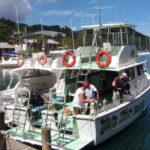
Your day starts with pickup from your hotel or cruise port between about 8:00 and 9:30 a.m. The exact pickup timing depends on where you’re staying and how the shop schedules everyone. From there, you’ll head to Marigot Bay to check in at the operator’s harbor location.
The harbor setup can involve a short connection between areas, and one past participant described a quick ferry ride to reach the tank-and-gear area. Either way, the expectation is that you’ll get kitted efficiently: waiver first, then equipment, then you’re ready to go.
Here’s the practical part to know: if you’re on a cruise, you’ll want to be mentally flexible with “local island time.” One account described a long wait in the heat while another group was collected. That’s not the norm you should bet your day on, but it’s a reminder to bring sun protection (hat, sunscreen) and have patience if your ship day feels tight.
Also note the land travel can be a bit bumpy. Another person called out a 40–45 minute van ride on narrow, rough roads. If you’re prone to motion sickness, pack Dramamine. The scenery is part of the charm, but the twisty roads aren’t always kind.
Getting Out to the West Coast: The Boat Ride and Why It Matters
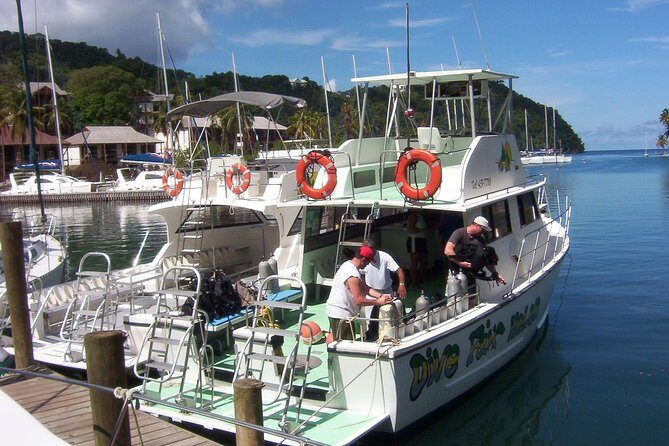
Once you’re at Marigot Bay and your group is ready, you’ll head out by boat. The run to the day’s chosen underwater area can be about 15 to 45 minutes, depending on conditions.
That range is important. It means your captain is not just doing one fixed route. Instead, the day is shaped by weather and water conditions, which is exactly what you want when you’re hunting for clarity and safe conditions for the site plan.
Your captain will take you to the best available option on the day, typically from the sheltered west coast side of the island. Many St. Lucia marine-reserve locations are protected, but they still vary in current and visibility. The boat plan is basically the “adjust as you go” method that helps you get good water when you arrive.
Two Underwater Sessions: What You’ll Actually Do
Each of the two underwater sessions is about 45–60 minutes. Between them, you’re back onboard for a light lunch and a drink. So you’re not doing a marathon. You’re doing two chunks of underwater time that feel focused and doable.
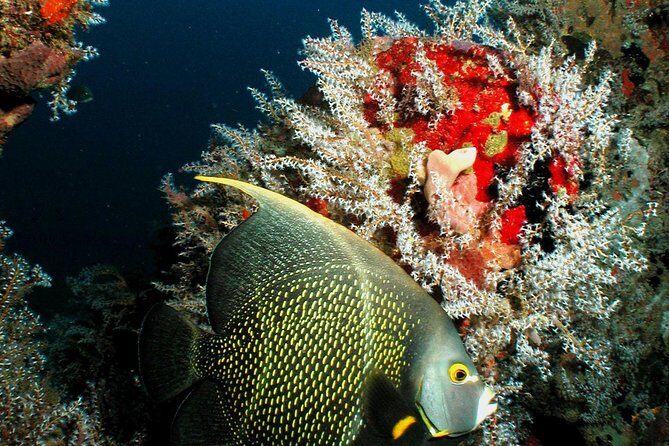
The first site might be a beach entry area like Anse Chastanet, or it might be a different marine reserve location depending on the day. One common theme in past experiences is guides who help you slow down and notice small details—coral textures, schooling fish, and the stuff you miss when you just look forward.
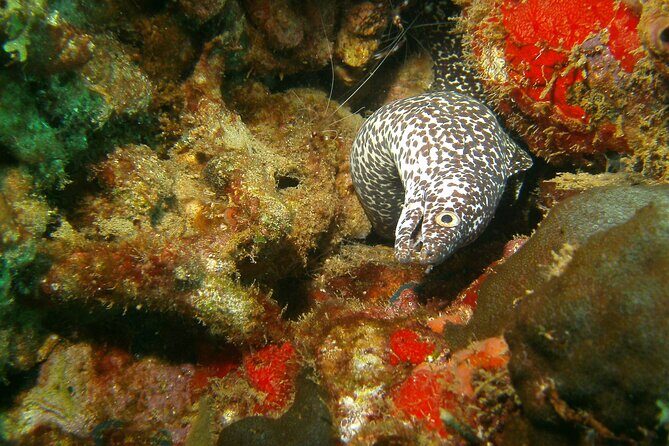
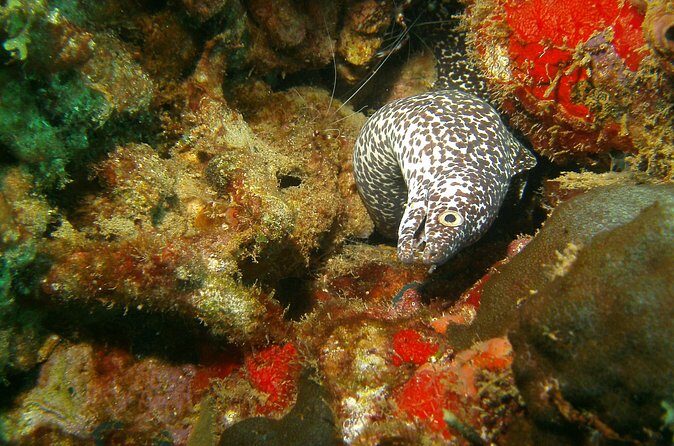
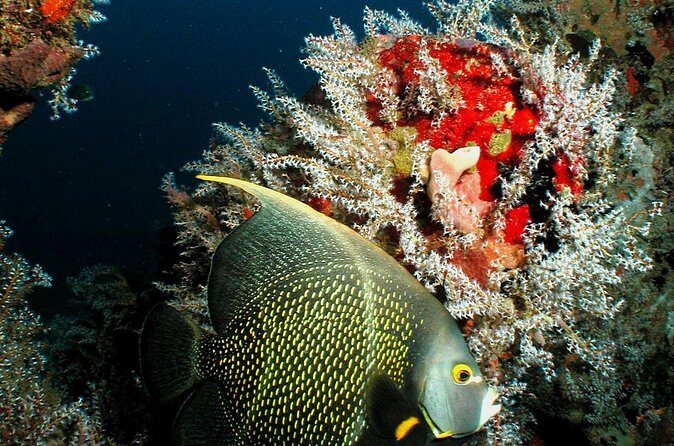
The second session is often about reefs with lots of tropical fish, and it may include shipwreck remnants if that’s the day’s best call. Past participants specifically described seeing eels, colorful coral, and even an eagle ray. That kind of variety is one reason two sites usually beat one: you get more “different flavors” of reef life in the same half-day.
The Site Options: Anse Chastanet, Soufriere Drift, and Anse Cochon Wrecks
This tour can swap the actual locations based on water and weather. But the options are well-defined, and knowing them helps you set expectations.
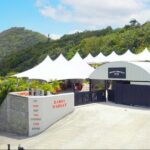
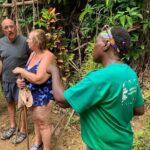
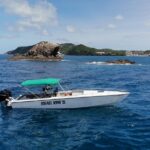


Anse Chastanet (often a beach entry)
Anse Chastanet is often chosen for a straightforward start. A beach entry can feel easier psychologically because you control your moment-to-enter flow, and it’s a good place if you want coral and fish without needing to work a lot against current right away. It’s also in marine reserve waters, so you’ll be in protected habitat.
Soufriere (often a drift-style experience)
Soufriere is commonly selected when conditions allow for a drift-style session. Drift means you may cover more water and spend more time enjoying the ride with proper buoyancy control. If you get a little uneasy in current, this is where you should communicate your comfort level early on land and during equipment checks. A calm guide can make this feel smooth, but it’s still a different skill feel than a more stationary reef.
Anse Cochon (shipwreck possibilities)
Anse Cochon is the option that can bring shipwreck remnants into the day. Wreck sites can be fascinating because you’re not only looking at living coral and fish; you’re also seeing underwater structures that attract marine life. If you’re the type who loves history cues underwater, this is the “story” stop.
All three options live in marine reserve areas, which is part of why the underwater life is typically healthy and why the operator includes marine reserve fees in your ticket.
Equipment, Weights, and Setup: What’s Included and What Isn’t
You’ll get oxygen tanks and dive weights as part of the tour, and that’s a big quality-of-life benefit. It removes the hassle of hauling gear around or hunting down rentals when you’re already on vacation.
The tour includes marine reserve fees, and the boat has a restroom. Those sound like small comforts until you’re halfway through a cruise day and realize you’re not scrambling later.
What’s not automatically included is wetsuit rental. If you want one, it can cost extra if available. Also, equipment inclusion depends on what you selected during booking—if you didn’t choose equipment, you may be expected to bring it.
One practical tip from past participants: if you bring your own BCD and regulators, the crew can handle the rest of the process for you before and after. That’s helpful because it reduces your workload with setup changes.
One safety-minded note, from a negative account: a participant reported tank strap issues that caused safety concerns and insisted on better equipment strap checks. I can’t predict whether that would happen on your day, but I do think it’s smart to take five seconds to confirm everything is secure before entering the water. Ask, check, and don’t rush the moment you’re stepping off the boat.
Guides and Safety: Small Group Attention That Feels Real
This tour caps at eight travelers, and the payoff is how guides can work with individuals instead of just herding a group. In multiple past experiences, the guide names that came up—Dillon, Alvin, and Terry—were described as calm, safety-focused, and good at pointing out marine life you might miss at first glance.
That “point out what you’re looking for” part is worth it. Reef fish blend in. Coral textures can be hard to appreciate at normal glance speed. A good guide changes your whole underwater experience from watching vaguely to actually seeing.
You should still bring a normal dose of responsibility: follow your guidance, complete health questionnaires, and be honest about any medical conditions. The operator requires a health questionnaire, and some conditions (like asthma or heart issues) may prevent you from diving. If you’re unsure, ask your doctor. This is not the place for guessing.
Age-wise, the minimum is 12 years, and minors must be accompanied by an adult. So it can work for older teens who are truly certified, but it’s not a little-kid activity.
Price and Value: How $116 Adds Up (When It’s the Right Option)
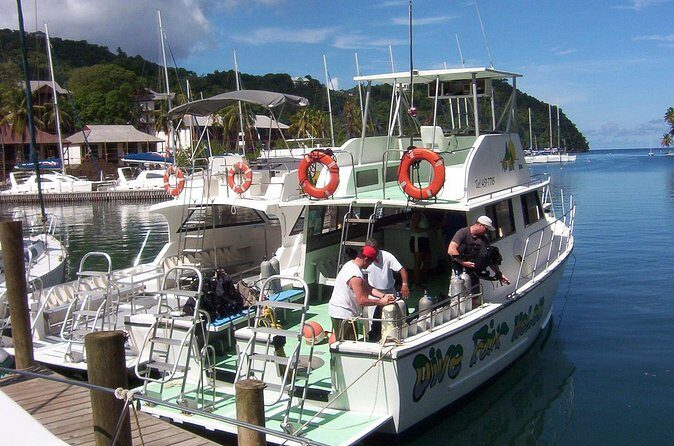
At $116 per person for a roughly five-hour outing, the value comes from what’s bundled. You’re getting:
- pickup and drop-off from Northern-to-Western areas
- a guide and local support
- tanks and weights
- marine reserve fees
- lunch onboard plus water and juice
- boat comfort basics like a restroom
If you’re comparing against a “scuba day” that doesn’t include fees, doesn’t include lunch, and charges separately for weights or tanks, this package can look surprisingly fair.
Two things can change the value for you:
1) If you’re staying in the south (like Soufriere, Vieux Fort, Micoud, or Dennery), pickup can cost $100 return for up to four persons, and service may be cancelled depending on circumstances. That can shift the math fast.
2) If you need a wetsuit or equipment you didn’t select, add that cost so you don’t get surprised at checkout.
If you’re based in Northern or Western St. Lucia, though, this price usually feels like you’re paying for the underwater time plus the hard-to-notice extras that make the day smooth.
Who This Tour Fits Best (and Who Might Want a Different Plan)
This is best for you if:
- you’re already certified and comfortable underwater
- you want two structured underwater sessions with minimal hassle
- you like the idea of a guide who helps you spot fish, coral, and wreck details
- you prefer small-group attention over big tours
This is less ideal if:
- you hate car rides on narrow roads and you get motion sickness easily
- you’re extremely time-sensitive because pickup waits can happen on some cruise days
- you need a lot of equipment extras (wetsuit costs extra, and equipment inclusion depends on your option)
For couples, it can be a great “real St. Lucia” day. For a father/son or mother/teen group where the teen is truly certified, it’s also a strong fit because the crew keeps things organized and safety-focused.
If you’re the type who wants one big underwater highlight, consider whether two sites is right for your comfort level. If you’re comfortable splitting your attention between reef and possibly wreck, you’ll likely enjoy the variety.
Quick Tips to Make Your Day Smoother
A few small moves can make a big difference:
- Confirm your comfort with current and buoyancy ahead of time, especially if the day includes a drift-style option in Soufriere.
- Do a final equipment strap check before entry, even if the crew handles the setup.
- Bring sun protection. There can be waiting time during check-in and loading.
- If you’re cruising, plan for variability. Aim to be on time, but don’t assume the schedule will be exactly to the minute.
Also, if you’re considering multiple days, the operator offers multi-day packages (1–5 days). That’s useful if you want more chances at different sites without rushing.
Should You Book This St. Lucia Certified Scuba Tour?
Book it if you want two marine-reserve underwater sessions in a small group, with tanks, weights, marine fees, and lunch already handled. The setup is practical, and the guide attention is the kind of thing that usually makes your underwater time better, not just louder.
Skip or double-check if your biggest priority is avoiding bumpy transfers, or if you’re staying far south where pickup can add major cost. And if you’re coming back after time away from scuba, be extra clear about your comfort and planned depth with your guide before you enter the water.
Overall, this is a solid half-day option for certified scuba participants who value good organization, marine-reserve sites, and a crew that actually pays attention to how you’re doing.
FAQ
Do I need scuba certification for this tour?
Yes. Proof of scuba certification is required for all participants who want to take part.
How many underwater sessions are included?
Two underwater sessions are included, each typically lasting about 45–60 minutes.
What time is pickup, and how long does the tour take?
Pickup is usually between 8:00 and 9:30 a.m., and the tour runs for about 5 hours (approx.).
Is lunch included?
Yes. You’ll have a light lunch onboard, along with water and juices.
Are tanks and weights included?
Yes. Oxygen tanks and dive weights are provided as part of the tour.
What extra costs should I expect for equipment?
Equipment is only included if you select the option that includes it. Wetsuits are not included and cost extra if available.