REVIEW · ST LUCIA
Historical 18th Century Estate Tour with Coconut Tasting
Book on Viator →Operated by Morne Coubaril Estate · Bookable on Viator
A coconut starts the story, right away. This Morne Coubaril estate tour mixes 18th-century plantation history with hands-on-style food demos, and you get two big wins: the coconut dehusking/copra process and the cocoa bean tasting and processing. One thing to consider: the tour can feel very demo-heavy, and a few people say the guide delivery can be scripted depending on who you get.
I like that the walk is not just theory. You pass through replica stick huts, you’ll learn what plants were used for, and you’ll end at the grand estate house before the tastings start. If you want a more animated guide experience, names like Jonathan and Natasha show up often in reviews, and they’re worth hoping for when you book.
Value matters here because the price is low for what you see. It’s listed at $12 per person, and it often runs about an hour on the property even if it’s advertised shorter—so plan time for the full sequence of cocoa, coconut, and sugar cane stops. If you need lots of walking support or extra visual help, note the tour is not recommended for mobility difficulty or for visually impaired travelers.
In This Review
- Key things to know before you go
- Morne Coubaril Estate near Soufriere: what you’re really touring
- Replica stick huts and the medicinal herb garden
- Coconut dehusking, copra drying, coconut water, and coconut jell
- Cocoa processing and tasting ripe cocoa beans
- Sugar cane mill, cane juice, and the estate house
- Tour length, pacing, and who this experience suits best
- Price and value: getting $12 worth of tastings and story
- Guide personality really changes the vibe
- Weather, hearing the guide, and comfort tips
- Should you book the Morne Coubaril Historical Estate Tour with Coconut Tasting?
- FAQ
- What time does the tour start?
- Where do I meet for the tour?
- How long is the tour?
- What’s included in the price?
- Is lunch included?
- Are alcoholic drinks included?
- Is the tour suitable for kids?
- Is this tour accessible for people with mobility or visual impairments?
- Do I get a ticket on my phone?
- Can I get a full refund if I cancel?
Key things to know before you go
- Coconut tasting is part of the core visit, with a dehusking demo and samples like coconut water and coconut jell.
- Cocoa processing is hands-on in spirit, including fermentation/drying steps and a demo sometimes described as the cocoa dance.
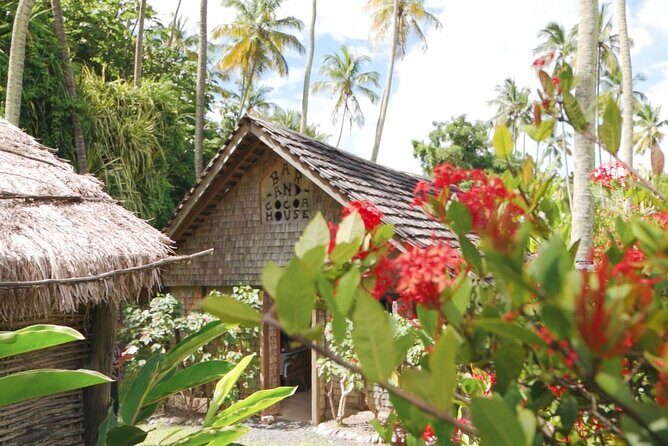
- You’ll walk an open-air estate with replica 1700s village huts, an herb garden, and the main estate house.
- Expect some uneven pacing, since a few reviews mention rushing or feeling you couldn’t hear well if you were at the back.
- Lunch and alcohol are not included, though food and drinks may be available on site for extra cost.
- Group size can be large (up to 100), so show up on time and position yourself early if you care about hearing the guide.
Morne Coubaril Estate near Soufriere: what you’re really touring
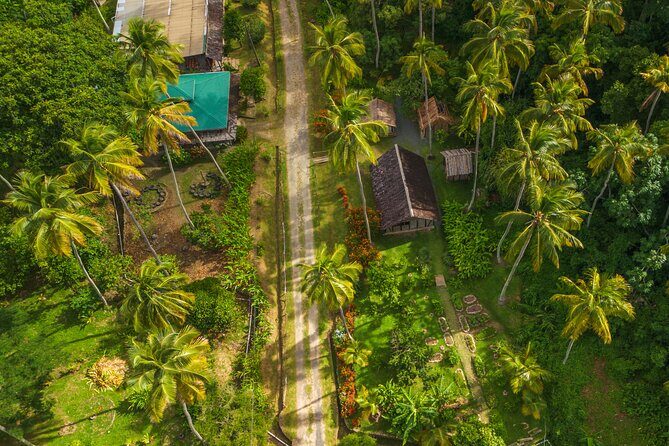
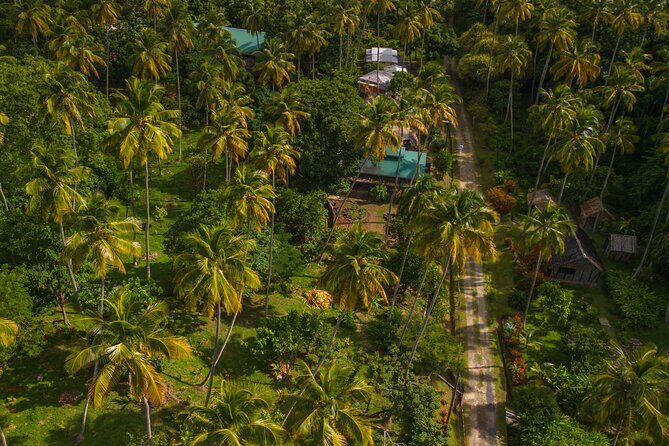
Morne Coubaril is one of St Lucia’s best places to understand how the island’s plantation economy worked beyond the postcard version. You’re guided through a working-feeling estate set up to explain crop processing: sugar cane, cocoa, and coconut. It’s also a botany-and-plant-medicine kind of stop, so it’s not just about tasting.
The tour starts at the Morne Coubaril Historical Adventure Park area in Soufriere. You meet the guide at a set meeting point on the estate grounds, and the visit loops back to where you started. The start time is listed as 9:00 am, which matters if you want cooler walking and better photo light before the heat builds.
Even if the time length is shown as 30 minutes in some places, the experience is described as a guided tour that takes around one hour through the main areas and demos. That’s how you should plan it: come with a little time buffer so you don’t feel rushed at the tastings.
You can also read our reviews of more food & drink experiences in St Lucia



Replica stick huts and the medicinal herb garden
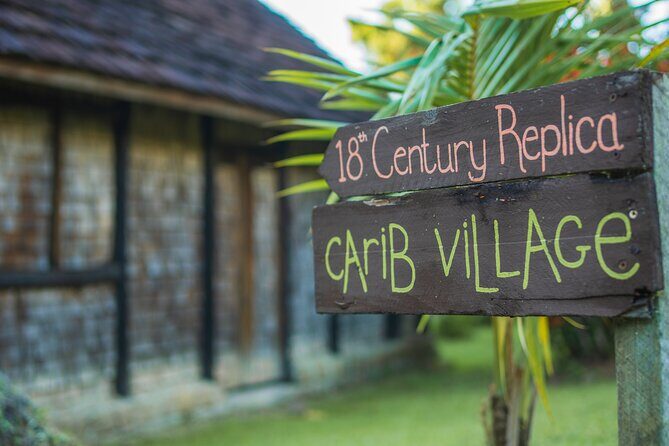
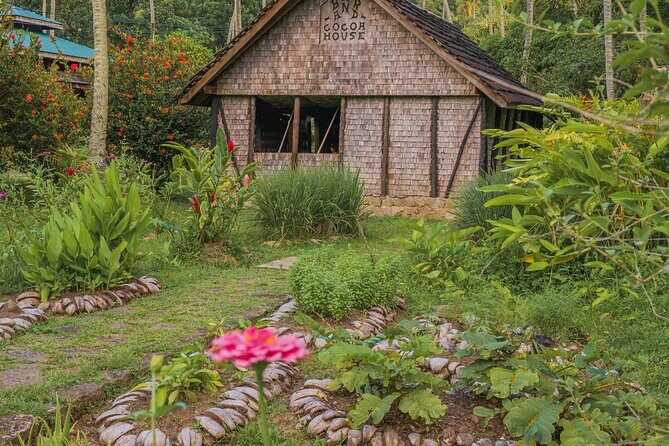
A standout part of this tour is stepping into the recreated village setting. You’ll walk through a small cluster of replica stick huts that show what life may have looked like for island residents in the 1700s. It’s the kind of scene that makes the later crop-processing explanations click, because you can picture the labor chain from home life to fields to processing areas.
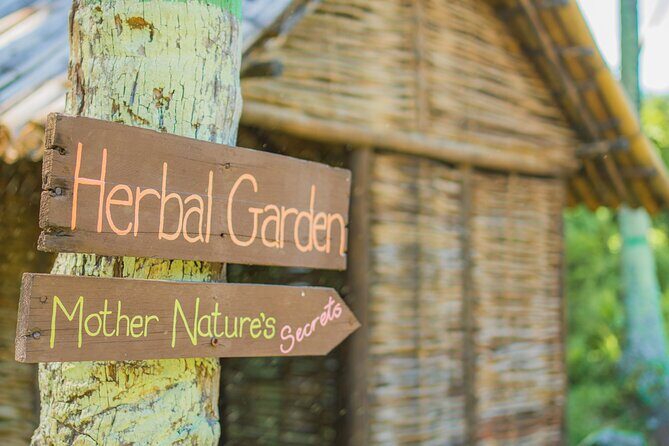
Next comes the estate’s gardens. You’ll pass through lush plant areas described as having many native species, plus a medicinal herb garden where the guide explains herbs used to treat illnesses and injuries. If you like learning how everyday people used plants, this portion adds real context.
A word of balance: a couple of reviews mentioned the replica huts feeling less authentic than expected because of how the structures are set up. Still, the practical value is that you get a guided story in a walkable format, instead of trying to piece it together on your own.
Coconut dehusking, copra drying, coconut water, and coconut jell
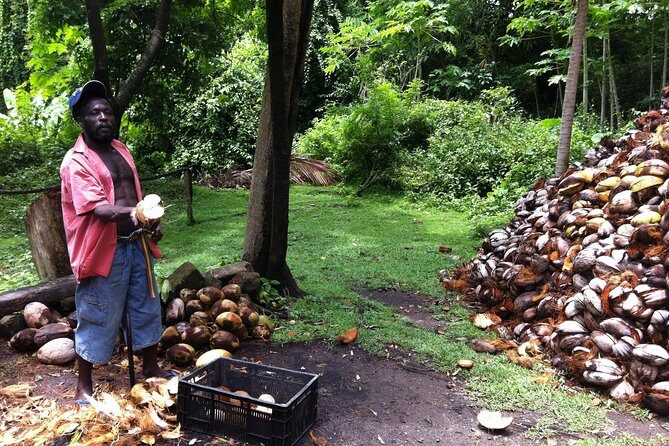
This is the part you came for, and it’s done in a very visual way. You’ll watch a demonstration of how to dehusk a coconut, then learn how the coconut’s contents are processed into copra (the dried coconut product) using an oven/drying approach explained on site.
After the demo, you’ll taste coconut water and coconut jell. This is the sort of sampling that’s more than a sip-and-go, because you’re tasting something connected to what you just watched—fresh, simple, and right there at the source.
If you’re the type who likes to watch skilled hands work, you’ll probably enjoy this section. Reviews mention coconut tastings that felt like real highlights, including fresh coconut water straight from the coconut. One small consideration: this tour can be more demo-focused than interactive, so don’t expect every task to turn into a full hands-on workshop.
Cocoa processing and tasting ripe cocoa beans
Cocoa at Morne Coubaril isn’t presented like a candy bar story. It’s shown as a crop with steps: fermentation, bean drying, and the kind of polishing/grinding sequence that some guides describe as the cocoa dance. You may also see a cocoa and coffee house area where you can taste a ripe cocoa bean.
Why this section is worth your time: cocoa is one of those foods people think they understand, but the actual processing steps are surprising. Even if you only take in part of the explanation, the tastings plus the demo chain make the difference between raw cocoa flavor and what ends up in chocolate easier to grasp.
A helpful tip from what people say about the experience: if you want to taste all the samples, move with the group instead of lagging behind for photos. When the pace speeds up, it’s usually the last people in line who feel like they’re missing the explanation or can’t hear the guide clearly.
Sugar cane mill, cane juice, and the estate house
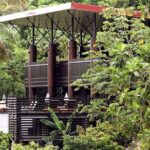
The estate keeps the story anchored with two big “wow” anchors: the main estate house and the sugar processing setup. You’ll tour toward the Monplaisir family estate house, described as a grand centerpiece and an example of architecture from the time period. Even when you’re not a big architecture person, it helps you understand the estate as a system, not just a series of tasting stops.
Then you’ll stop by a traditional mule-driven sugar cane mill. You’ll sip fresh cane juice, which is one of those tastes that hits you with how different raw juice is from anything bottled. It’s also a good palate break between cocoa and coconut.
Photo note: if you care about clear shots of the house and gardens, early in the tour is your best bet. Once the group stretches out, you’ll spend less time framing the shot and more time catching the guide’s next cue.




Tour length, pacing, and who this experience suits best
This tour is short enough to fit into a busy day, but packed enough that you’ll want comfortable shoes. You’ll be walking an open-air estate with gardens, paths between stations, and multiple stops for demonstrations. If you’re sensitive to heat, do bring water and plan to move when the group moves.
As for who it suits best:
- It’s a good fit for first-timers who want St Lucia flavors plus a simple history narrative in one go.
- It works well if you like food processing and plants—coconut and cocoa demos plus the herb garden make it more than a generic tour.
- It’s less ideal if you strongly need quiet, slow pacing or if you’re expecting a full museum-style walk.
Important accessibility note: it’s not recommended for people with difficulty walking, and it’s not recommended for visually impaired travelers. If you fall into either group, you’ll likely have a harder time keeping up with the route and the demo details.
Children must be accompanied by an adult. That’s a clear rule here, and it also helps keep the tour respectful of the demo stations and timing.
Price and value: getting $12 worth of tastings and story
At $12 per person, the best value is how many processing areas you cover in one guide-led circuit. You’re not just paying to stand in a garden. Entrance fees are included, and the tour wraps in a guide, multiple crop demos (coconut, cocoa, sugar cane), and tastings tied to those demos.
The tricky part is what people mean when they say value. Some reviews mention lunch, rum, or chocolate tasting pairings that may be separate from this core experience. Your baseline here: tastings connected to coconut and cocoa, plus cane juice, with alcohol and lunch clearly not included in the standard offer.
So here’s the smart way to judge value before you go: if you want a short, guided, taste-and-learn route on one of St Lucia’s signature estates, the price makes sense. If you’re hoping for a long, sit-down history lecture or a private slow walk through the grounds, you might feel the tour is too structured and time-limited.
Guide personality really changes the vibe
Even with the same stops, the guide can make the tour feel lively—or flat. Good days can feel like a fast, friendly education where sampling and explanations flow naturally. Names like Natasha and Jonathan show up in positive notes, especially for plant and process explanations and making time for questions.
On the flip side, a few reviews mention issues like a guide reciting from a script or a more rushed feeling depending on the group flow. That’s not about the estate’s quality. It’s about delivery and pacing, and with group tours, you get what you get.
If you want the best chance of a smooth experience, arrive early to settle in at the front half of the group during key tastings, and ask one or two questions as the guide talks. When the guide is engaged, the whole tour tends to click.
Weather, hearing the guide, and comfort tips
This is an outdoor experience, so weather matters. One review mentioned rain and no umbrellas available for purchase, which is a reminder to pack small protection even in the dry-season mindset.
Also, group spacing can affect how much you hear. If you’re at the back, you may catch less of the explanations at each stop. That doesn’t stop the tastings, but it can reduce the story quality, especially during cocoa/coconut demos where the sequence matters.
Quick practical checklist:
- Wear closed-toe shoes with grip.
- Bring water.
- Keep your phone ready, but don’t let photos pull you too far behind the group.
- If it looks stormy, bring a light rain layer.
Should you book the Morne Coubaril Historical Estate Tour with Coconut Tasting?
I’d book it if you want a compact St Lucia experience that mixes coconut and cocoa processing with a garden walk and a replica village setting. The low price helps, and the sampling links directly to what you’re being shown—especially coconut water and coconut jell after the dehusking/copra demo.
Skip it (or go with clear expectations) if you need a long, flexible tour, or if your mobility or vision needs don’t match outdoor, station-based walking. Also, if you’re very picky about authenticity details in replica structures, you might find the recreated huts a mixed bag.
If you’re trying to choose one estate stop on a time-crunched day, this one is a strong candidate because it gives you multiple “food origin” stories in under about an hour.
FAQ
What time does the tour start?
The start time is listed as 9:00 am.
Where do I meet for the tour?
You meet at Morne Coubaril Historical Adventure Park on the Morne Coubaril Estate in St Lucia, near Soufriere.
How long is the tour?
It’s listed as 30 minutes approximately, but the guided visit on the estate is described as about one hour. Plan for roughly an hour on site.
What’s included in the price?
A local guide and entrance fees are included. Coconut-focused tastings and demonstrations are part of the experience.
Is lunch included?
No. Lunch is not included.
Are alcoholic drinks included?
No. Alcoholic drinks are not included, though they may be available to purchase.
Is the tour suitable for kids?
Children must be accompanied by an adult, and most travelers can participate.
Is this tour accessible for people with mobility or visual impairments?
It is not recommended for people with difficulty in walking and not recommended for visually impaired travelers.
Do I get a ticket on my phone?
Yes. The tour uses a mobile ticket.
Can I get a full refund if I cancel?
Yes, you can cancel up to 24 hours in advance for a full refund. Canceling within 24 hours does not get refunded.