REVIEW · RODNEY BAY
SeaTrek St. Lucia
Book on Viator →Operated by Sealife Paradise · Bookable on Viator
Walk the sea floor without scuba gear. SeaTrek St Lucia is a helmet-based underwater experience in Rodney Bay that lets you see fish up close without training or certification. You’ll spend about 25 minutes underwater after a 10-minute safety briefing, and you’re in a small group (max 12), which keeps things friendly and low-pressure.
I love that this works for swimmers and non-swimmers, so first-timers aren’t left out. I also like that the whole flow is guided step-by-step, which shows up in the reviews again and again, from nervous first attempts to calm returns to the surface. One tradeoff to know up front: the underwater time is short, so it’s more of a taste than a long session.
In This Review
- Key Highlights to Know Before You Go
- SeaTrek St Lucia: a helmet walk in Rodney Bay
- Price and logistics: what you’re really paying for
- From pickup to meet-up: getting oriented fast
- The 10-minute safety briefing: where nervousness goes to zero
- Entering the underwater zone: your 25-minute fish walk
- Seeing sea life up close (without needing to be a swimmer)
- Guides you’ll hear about: patient, playful, and attentive
- GoPro photos and videos: convenient, but confirm expectations
- Is SeaTrek better than snorkeling or scuba?
- Comfort notes: water shoes, helmets, and current
- Timing your day in St Lucia: 1.5 hours then freedom
- Should you book SeaTrek St Lucia?
- FAQ
- How long is the SeaTrek St Lucia tour?
- How long are you underwater during SeaTrek?
- Does the tour include pickup and drop-off?
- Is SeaTrek suitable for non-swimmers?
- What is the group size limit?
- What if the weather is poor?
Key Highlights to Know Before You Go
- Small group size (max 12): Less waiting, more attention from your guide.
- Two-part timing: About 10 minutes of instruction, then ~25 minutes underwater.
- Beginner-friendly for non-swimmers: It’s built for people who don’t want scuba or strong swimming.
- Pickup and drop-off included: You save time versus figuring out transport on your own.
- Guides credited for comfort: Names like Antony Leonce, Levi, Jamal, Jameel, Charles, and Denielson show up in praise.
- GoPro add-ons can be a gamble: Some guests loved the underwater GoPros; one had photo/video delivery problems.
SeaTrek St Lucia: a helmet walk in Rodney Bay
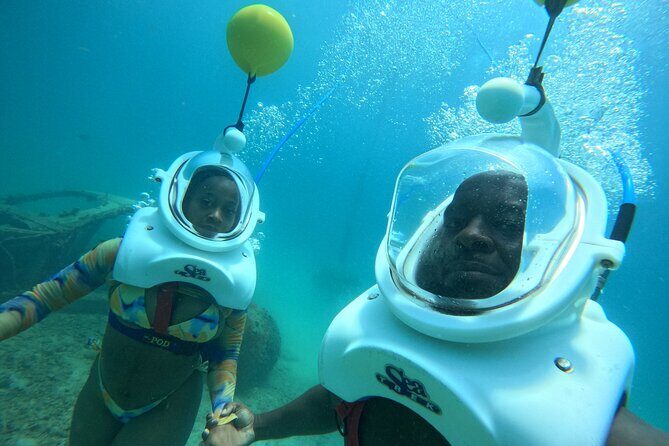
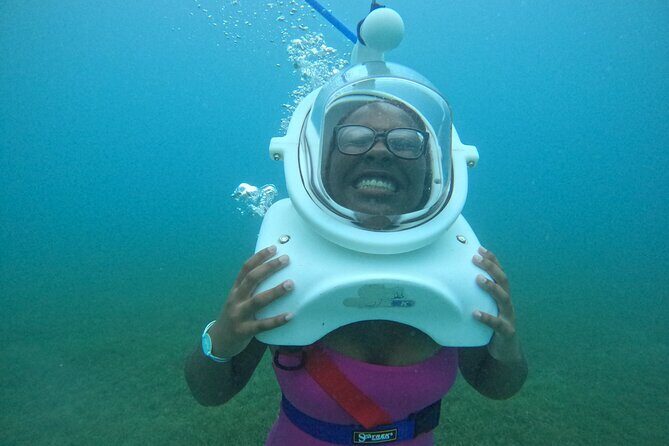
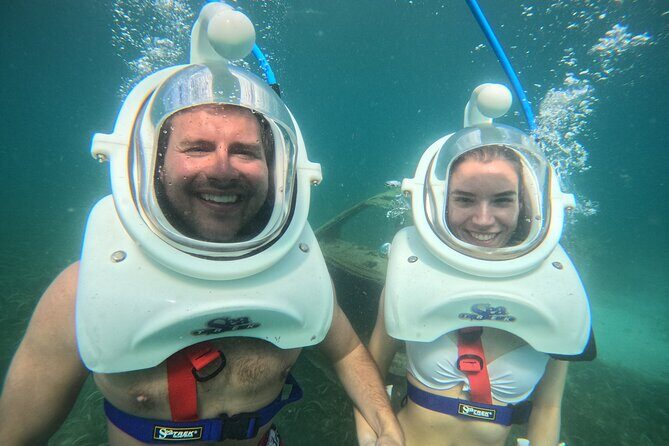
SeaTrek St Lucia is one of those rare activities that’s both simple and genuinely different. You start on land, get set up with a helmet system, and then you’re basically strolling along the seabed while your guide helps you navigate what to look at. If you’ve ever wished snorkeling felt more like a front-row seat, this often hits that sweet spot.
Rodney Bay is the staging area here, which matters because it keeps the experience practical. You’re not scrambling across the island just to get to a boat. Instead, the day feels like an activity slot you can plug into—roughly 1.5 hours total—then you’re free to do the rest of St Lucia on your own.
You can also read our reviews of more tours and experiences in Rodney Bay.


Price and logistics: what you’re really paying for
At $118 per person, the first question is always: is it worth it for what seems like a short tour? Here’s the honest answer: it’s a good value if you care about the underwater experience but don’t want a big, complicated day. The time on the water is only part of the equation—the other part is getting there comfortably with pickup, plus having staff handle the setup and instructions.
This tour includes private transportation and offers pickup and drop-off. That means you’re not doing the “where do we meet, and whose ride is it” dance. Most people can participate, and the group cap at 12 helps the guides keep an eye on everyone.
From pickup to meet-up: getting oriented fast
Your day starts with pickup offered, and that’s the kind of detail that makes tours feel smoother. Reviews mention that transportation can come from places like the cruise port, which is helpful if you’re visiting by ship and don’t want extra taxi stops.
One caution from the feedback: there can be confusion about the meeting place. In real life, that usually means you should double-check the exact pickup point and timing in your confirmation details before you leave your hotel. If you’re traveling with a group, it’s also smart to plan a quick meet-up plan of your own in case anyone gets turned around.
Once you arrive, the rhythm is predictable: you’ll get instructions, you’ll get fitted with the equipment, and then you move into the briefing phase.
The 10-minute safety briefing: where nervousness goes to zero
The safety briefing is short—about 10 minutes—but it sets the tone for the whole experience. You’re not just getting a lecture. You’re learning how the helmet system works for you, what to do underwater, and how to communicate with your guide.
This is where SeaTrek shines for people who feel anxious. Several reviews mention feeling nervous at first, then completely at ease once the instructor explained everything clearly. One common theme is the guide staying close, checking in, and using simple guidance and signals rather than leaving you to figure things out on your own.
If you’re claustrophobic or worried about breathing, don’t ignore those feelings—but also don’t assume you’ll hate the experience. There are reviews from guests who felt tight at first and later relaxed, plus people who reported breathing wasn’t an issue.
Entering the underwater zone: your 25-minute fish walk
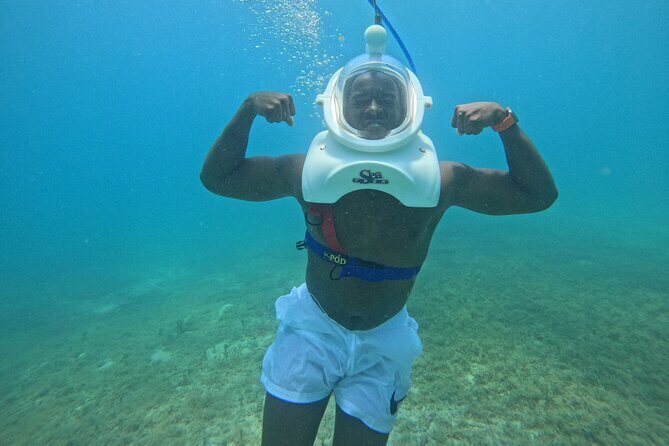
After instruction, you’ll go underwater for around 25 minutes. That timing feels tight on purpose. It’s long enough to see a good mix of sea life, but short enough that it stays comfortable for first-timers and people who don’t want to hang around too long.
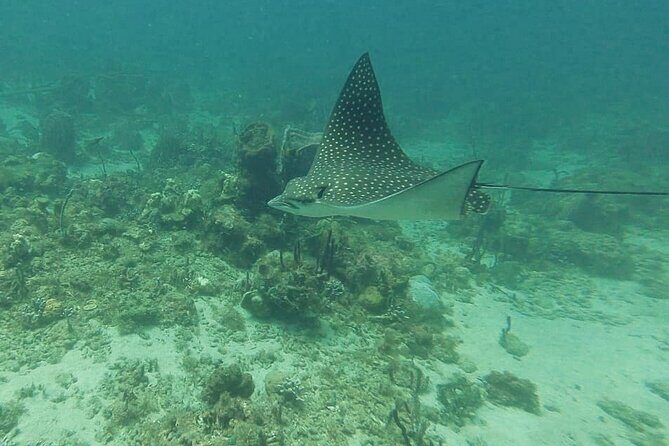
What does it actually look like? Think of it as guided exploration at seabed level. Guests describe clear water and lots of color, with sightings like puffer fish, octopus, trumpet fish, starfish, and water snails. You’re not doing the same “scan with goggles” routine as snorkeling. Instead, the equipment and guide help you slow down and really notice what’s around you.
In one review, the current was high and the guide helped manage comfort. That’s worth keeping in mind: water conditions can affect how the experience feels. If you’re prone to motion discomfort, tell your guide right away and pay attention during the briefing.






Seeing sea life up close (without needing to be a swimmer)
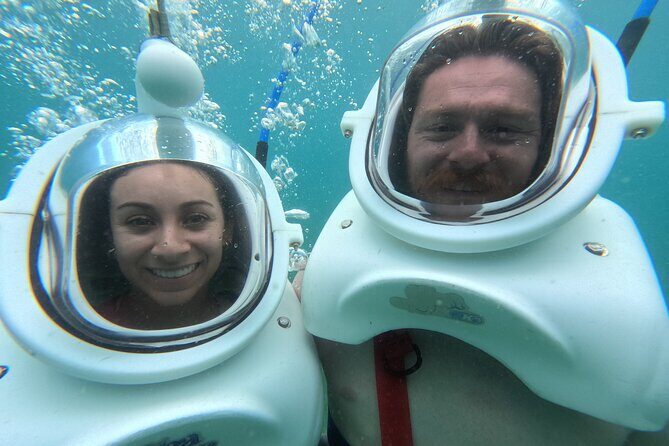
This is one of SeaTrek’s strongest points: it’s designed for both swimmers and non-swimmers. People who aren’t strong swimmers still get a real underwater experience because the setup does the heavy lifting.
That doesn’t mean you should ignore basic comfort. If you’re uneasy about being in close gear, or if you start panicking when you can’t move freely, you’ll want to go in with a calm mindset and follow instructions. The best reviews mention patient guides who kept checking in using finger signals and simple communication. That extra attention is part of why this works for nervous people.
Also, don’t expect it to feel like scuba. There’s no certification, and you’re not managing a complex system. The “magic” is that you’re walking and looking underwater with support—so you can focus on the fish, not on the mechanics.
Guides you’ll hear about: patient, playful, and attentive
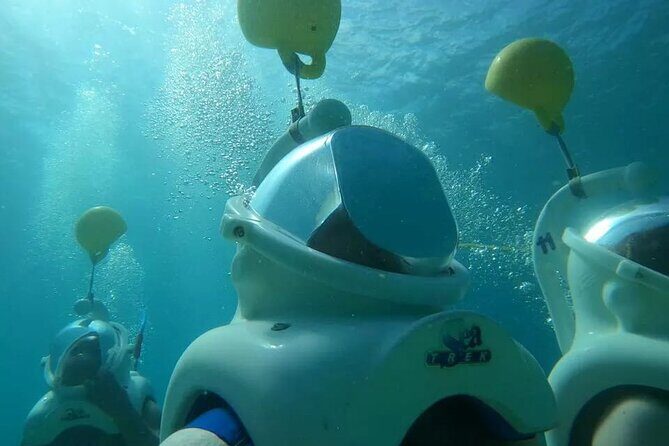
SeaTrek’s success isn’t just the equipment. It’s the human layer—the guides who make you feel safe and help you enjoy what you paid for.
A few names that show up in the praise:
- Antony Leonce: mentioned for making guests feel at home and safe.
- Levi: praised for kindness and staying attentive, especially for first-timers.
- Jamal: helpful when conditions felt challenging.
- Jameel: described as sweet and calming.
- Charles (called himself dragonfish): friendly, with encouraging guidance.
- Denielson: credited with making the experience fun and memorable.
- Octopus: referenced as an instructor who guided two guests back to land when their machines had issues.
That list isn’t a guarantee of who you’ll get. But it’s a signal: the company is staffed by people who know how to handle nervous moments without making it worse.
GoPro photos and videos: convenient, but confirm expectations
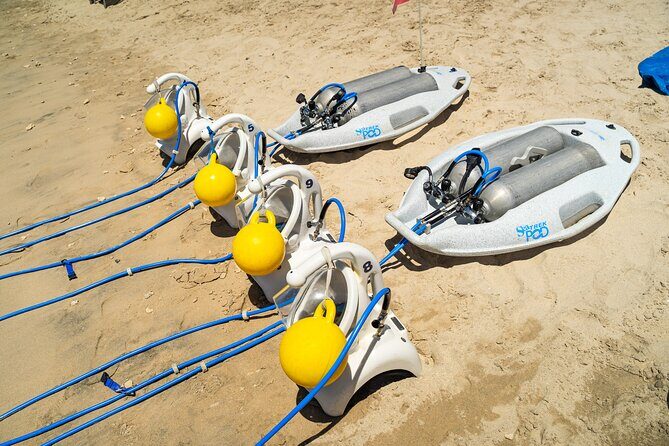
Some SeaTrek setups offer underwater GoPros for rent, and multiple guests said that add-on enhanced the experience. That makes sense—if you’re nervous underwater, having a camera moment can make the day feel more “worth it.”
However, there’s also a cautionary review about not receiving photos and videos after the tour. The response from the provider indicated the camera had issues afterward and that photos were sent to the numbers provided on the booking forms.
So here’s the practical move: if you rent a GoPro, read the rules for photo/video delivery carefully before you pay. And if you care about getting footage quickly, set a reminder to follow up at the timeline they promise.
Is SeaTrek better than snorkeling or scuba?
Let’s be fair. Snorkeling is cheaper in many places and has no helmet gear. Scuba is a different world with training and longer underwater time. SeaTrek sits in the middle as an easy entry to “underwater looking” without the typical learning curve.
You’ll probably prefer SeaTrek if:
- you don’t want scuba training,
- you’re not confident swimming,
- you want a guided, time-limited experience,
- you want a staff-managed underwater session rather than a DIY activity.
You might think twice if:
- you want long underwater time (this is about 25 minutes),
- you’re expecting a full-day underwater adventure,
- you’re relying on a specific photo/video product and you can’t tolerate delays.
For a lot of people in St Lucia, that “short and guided” structure is exactly what makes it a smart pick.
Comfort notes: water shoes, helmets, and current
Comfort comes up a lot in the reviews, and most of it is practical.
Water shoes: the experience can include water shoes if you don’t have them, though some guests mention bringing their own. If you have decent non-slip water shoes, it can help you feel steady before you get fitted.
Claustrophobia: one guest said they felt uptight at first but ended up fine after encouragement and checks. That suggests your mindset and the guide’s support matter. If claustrophobia is severe, consider your comfort level carefully.
Fogging and equipment issues: a couple of negative reviews mention helmet fogging, tangled cords, or trouble breathing attempts. That’s not the norm in the rating, but it’s real enough that you should be prepared for the fact that machines can malfunction occasionally. If something feels off, you’ll want to speak up immediately and let the staff manage it.
Timing your day in St Lucia: 1.5 hours then freedom
A big reason people book SeaTrek is how it fits into a St Lucia day. The whole tour runs about 1 hour 30 minutes, and then you’re done. That means you’re not locked into an all-day excursion.
This matters if you want to mix activities: maybe a beach afternoon after, a local lunch, or a sunset plan without needing to rush back. It also helps cruise passengers because the activity is self-contained and doesn’t drag into multiple time blocks.
Given that you’ll have a short underwater window, I’d plan your day so you’re not rushing straight afterward. You’ll likely want a buffer for travel back to where you’re staying and time to dry off and reset.
Should you book SeaTrek St Lucia?
If you want a simple, guided way to see sea life and you’re not aiming for scuba-level time, SeaTrek is a strong bet. The standout strengths are the non-swimmer friendly setup, the short structured safety briefing, and the small-group format (max 12) that helps guides keep an eye on everyone.
I’d book it if:
- you’re nervous about being underwater but still want the experience,
- you value pickup and a smooth, managed schedule,
- you’re excited by colorful fish sightings like puffer fish, octopus, trumpet fish, and starfish.
I might pause before booking if:
- you need a long underwater session,
- you’re very sensitive to being in enclosed gear,
- you’re depending on GoPro photos/video without any flexibility on delivery.
Bottom line: SeaTrek is built for people who want the underwater world without the usual friction. For $118, with transport included and a guided underwater walk, it’s often a well-targeted use of your St Lucia time.
FAQ
How long is the SeaTrek St Lucia tour?
The experience lasts about 1 hour 30 minutes.
How long are you underwater during SeaTrek?
You’ll be underwater for about 25 minutes after a safety briefing.
Does the tour include pickup and drop-off?
Yes. Hotel pickup and drop-off are provided, and the tour also includes private transportation.
Is SeaTrek suitable for non-swimmers?
Yes. It’s described as perfect for both swimmers and non-swimmers.
What is the group size limit?
The tour has a maximum of 12 travelers.
What if the weather is poor?
SeaTrek requires good weather. If it’s canceled due to poor weather, you’ll be offered a different date or a full refund. Cancellation is free up to 24 hours in advance for a full refund.