REVIEW · ST LUCIA
Private Advanced Horseback Beach Ride with Sandy Hoofs St. Lucia
Book on Viator →Operated by Sandy Hoofs St. Lucia Riding Stables · Bookable on Viator
Riding the Atlantic coast feels unreal. This private advanced ride is all about big sea views and real saddle time, with a setup that matches you to a suitable horse and sends you down scenic trails toward Lapin Bay. I also like the canter opportunities across multiple beaches, plus the many picture stops along the way. The main catch: it’s truly for confident advanced riders only, and the ocean swim is conditional on seaweed and sea conditions.
You meet Sandy Hoofs St. Lucia at Beach Drive in Beausejour, Gros Islet, and you’ll start with a short questionnaire and gear check before heading out. Expect a full 3 hours of outdoor riding, rain or sun, and if you’re lucky you may ride under guides like Jordan, with trail leadership that’s mentioned often as Mathew.
In This Review
- Key Points to Know Before You Ride
- Advanced Rider Reality Check: Questionnaire, Control, and Tack Confidence
- From Sandy Hoofs to the Coast: The First Trails and Photo Stops
- Lapin Bay and the Atlantic Side: Why the Views Feel Worth the Work
- Four Beaches in One Ride: Where Canter and Gallop Fit In
- The Water Part: When You Might Swim with Your Horse
- Weather and Rescheduling: Rain or Sun, With Safety First
- Safety, Pace, and What Private Guidance Feels Like
- Horse Care Question: How to Think About the One Bad Review
- Price and Value at $119: What You’re Really Paying For
- What to Bring (and What to Skip) for a Beach Horse Ride
- Who Should Book This Advanced Beach Ride
- Should You Book Sandy Hoofs St Lucia’s Advanced Beach Ride?
- FAQ
- How long is the private advanced horseback beach ride?
- Is this a private tour or shared group ride?
- What is the price per person?
- What skill level is required?
- Is there a weight limit?
- Where does the tour start and end?
- What riding equipment is provided?
- Do you get to swim with the horses?
- What happens if the weather is bad?
Key Points to Know Before You Ride
- Advanced-rider only: you should control the horse confidently at all gaits without step-by-step assistance.
- Four beaches plus Lapin Bay: the route is designed for long views and repeated shoreline time.
- Canter and sometimes gallop: beach sections are where the ride gets fast and fun.
- Swimming is not guaranteed: seaweed and conditions can change the plan.
- All riding equipment provided: you’re not hunting for gear, but you do need the right fitness and balance.
- Private means your group only: you get a more tailored pace and experience.
Advanced Rider Reality Check: Questionnaire, Control, and Tack Confidence
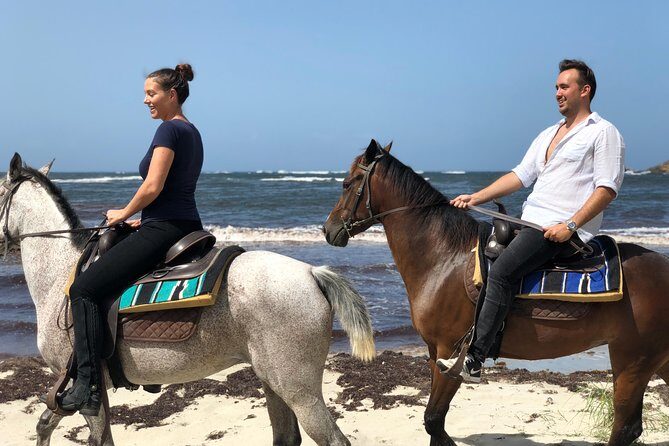
This isn’t a casual “learn to trot” style ride. You’ll start by answering a questionnaire on arrival to confirm you meet the advanced requirements. The expectations are clear: you should be able to correctly and confidently control your horse at all gaits/paces without the guide riding by your side giving direct help, and you should be comfortable staying balanced at speed.
They also want riders who can handle any horse and sit a buck or bolt in either English or western tack. Translation for you: if you’re the kind of rider who panics at a sudden surge of energy, or you rely on a guide to steer, this ride may not be the right fit.
Once you’re approved, there’s a brief orientation that’s practical, not theatrical. You’ll be introduced to your horse, and they’ll check equipment before you head for the coastline. This matters because beach riding changes the feel under your saddle—sand, uneven ground, and moving water make balance and control more important than on a flat farm trail.
You can also read our reviews of more private tours in St Lucia

From Sandy Hoofs to the Coast: The First Trails and Photo Stops
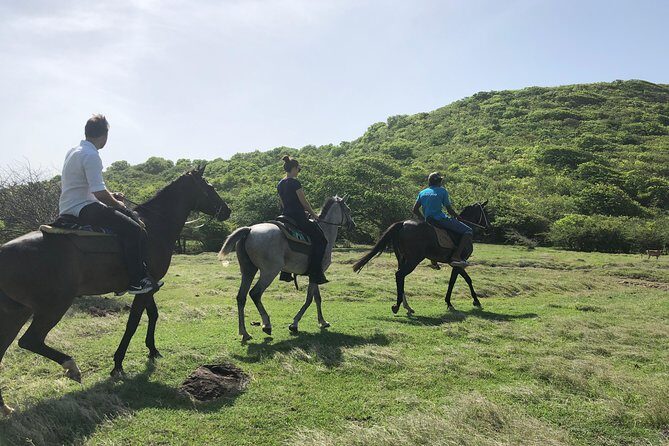
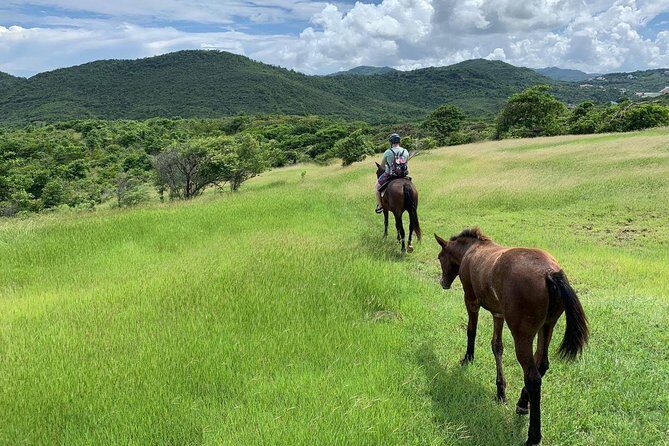
After orientation, you ride out along trails that gradually lead you toward the coastline and then onto the beach sections. Along the way, you’ll hit scenic spots that are good for photographs—especially as the coastline opens up.
What I like about this setup is how it builds the ride. You don’t just go straight to the sand and hope for the best. You start with trails where you get time to settle into your horse and your pace, then the ocean views start taking over.
You’ll also be dealing with island terrain that changes textures: portions can feel like open countryside, then you’ll transition into coastal ground where the horse’s movement can shift. For advanced riders, that’s part of the fun, but it also means you should go in with good physical readiness. This ride asks for control with both your body and your hands.
Lapin Bay and the Atlantic Side: Why the Views Feel Worth the Work
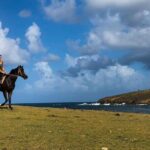
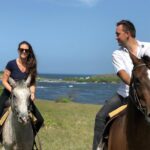
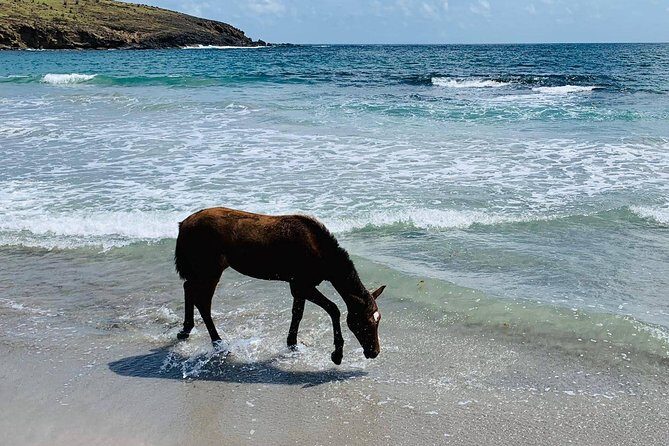
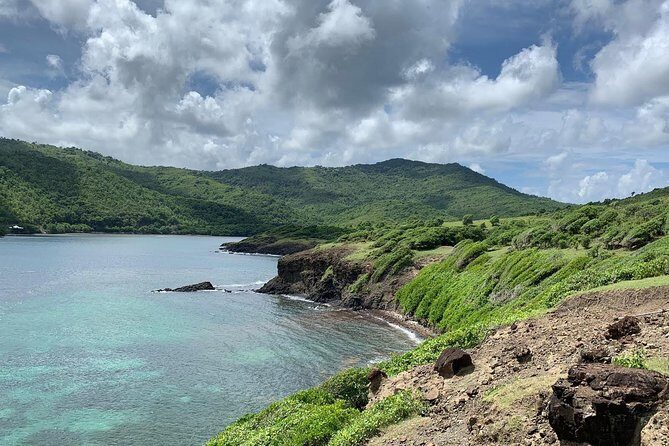
Lapin Bay is one of the big draws, and the route is built for sweeping views from the Atlantic side of the island. The sea is right there, and you’ll see St Lucia from an angle most people never get—high enough to read the coastline, but close enough to feel the wind and salt air.
In the reviews, people repeatedly call out the Atlantic coastline as the best riding scenery, and that tracks with the way this route is described: coastal trails, multiple coves, and long stretches where you can take your eyes off your horse for a moment and just enjoy the horizon.
A small but real value point: these kinds of view-driven routes help you remember the day, not just the logistics. When you’re riding hard, you need visual rewards. This ride plans for that with multiple stops and repeated shoreline time, not just one quick beach moment.
Four Beaches in One Ride: Where Canter and Gallop Fit In
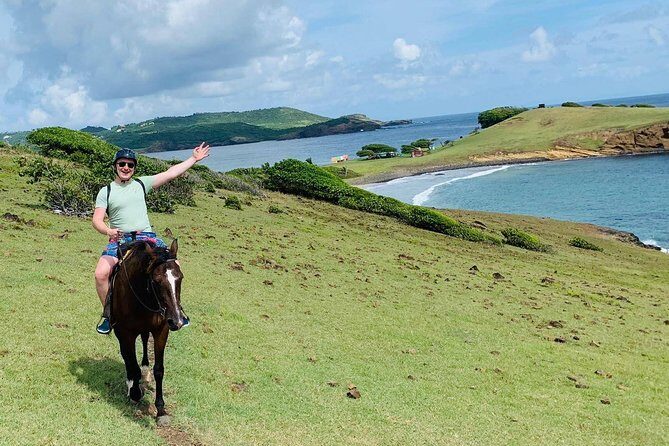
This is a 3-hour ride that includes time on four different beaches. That’s a meaningful detail, because it reduces the “same sand, same view” fatigue. Instead, you get the rhythm of: ride, stop, look, move again, and then switch to a new shoreline section.
You can enjoy a canter, and in some beach areas a gallop. It’s not described as constant speed the whole time; you’re still doing the work of managing pace and balance. That’s part of why advanced riders are required. If you can ride well at speed and stay coordinated, the beach canters become the highlight they’re meant to be.
There are also riding breaks built into the experience. You’ll have stops along the way where you can stretch and take in water. Those pauses are more than comfort. They help you reset your seat and breath so the later beach sections feel strong instead of rushed.
The Water Part: When You Might Swim with Your Horse
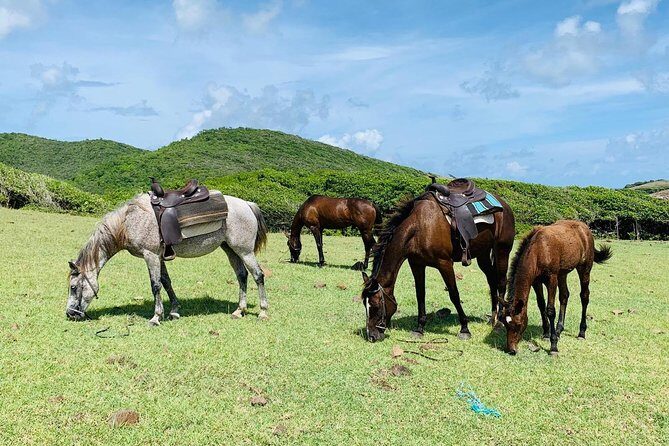
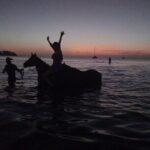
One of the most exciting possibilities here is getting into the water with your horse—once sea conditions permit. The plan is set up so you can take a swim at the right time, but it’s conditional.
Two things can affect this:
- Sometimes seaweed and rougher conditions can block or limit a swim.
- If the shoreline is not suitable, the ride adapts.
So my advice is to treat swimming as a bonus, not the core promise. Even if you don’t get in the ocean, the last stretch where they take you onto the water adds a cool, memorable shift from dry sand riding to something more ocean-forward.
Also, beach-water riding can feel different underfoot and for your horse’s attention. If you’re an advanced rider, you’ll likely enjoy that variety. If you’re sensitive to unpredictable movement, keep your focus tight.
A few more St Lucia tours and experiences worth a look

Weather and Rescheduling: Rain or Sun, With Safety First
The ride runs in rain or sun, because it’s an outdoor activity. That means you should expect you’ll be outside for the full experience unless there’s a safety reason to change plans.
If the weather forecast is dangerous, they’ll contact you to reschedule. Translation: don’t plan a day around perfect weather. Plan around a good day outdoors, and assume the staff is watching for conditions that make it unsafe to ride.
If you’re the type who packs for all scenarios, you’ll feel prepared. If not, just know the ride doesn’t stop because it’s slightly damp—it’s about riding safely when it’s rideable.
Safety, Pace, and What Private Guidance Feels Like
Private means your group is the only one participating. That matters for an advanced ride because your horse and your pace can be shaped around you rather than around a mixed group with different skill levels.
People also highlight feeling safe with the host and chaperone for the ride. That kind of confidence usually comes from two things the way this experience is described: a solid pre-ride assessment and equipment check, plus a guide who stays involved enough to manage what happens on the trail and at the coastline.
There’s also a “keep moving, but keep organized” rhythm. You’re not dropped into chaos. You’ll ride out along the trail, stop for photos and breaks, and then return back to the meeting point at the end. You also get equipment, so the day starts with less friction.
Horse Care Question: How to Think About the One Bad Review
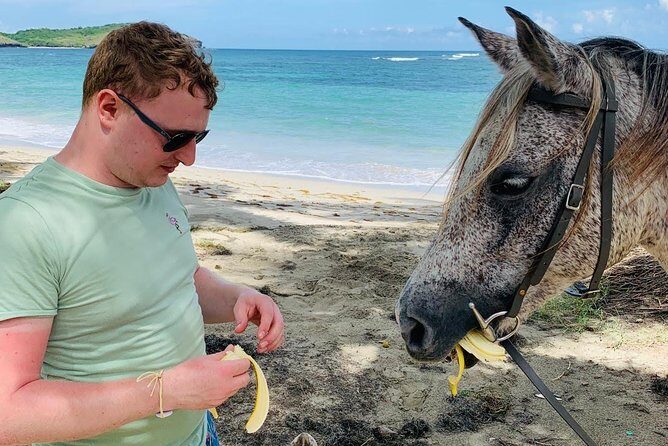
Most feedback is strongly positive, including praise for horse shape, horse care, and a feeling that the operation treats horses well. Still, there is one negative experience reported—complaints about a horse that seemed unwilling and claims about neglect.
Here’s the balanced way to handle this before you book:
- If horse well-being is a deal-breaker for you, ask directly what their daily feeding and care routine looks like and how they handle vet needs.
- Pay attention at check-in. If something feels off, say so. You’re an advanced rider, but you’re still entitled to basic confidence that the ride is being conducted responsibly.
- Remember that one perspective doesn’t define a whole operation, but it should prompt you to verify what matters to you.
In the same spirit, the provider response to that concern argues the horses are not neglected and points to how photos showed only the horse’s head, not the full body. You can’t “prove” anything from that exchange, but it does show they’re willing to address questions about care and safety.
Price and Value at $119: What You’re Really Paying For
At $119 per person for about 3 hours, you’re paying for more than just “horse + trail.” You’re paying for:
- Private time with a guide and a horse matched to advanced requirements
- Equipment provided, so you don’t add rental complexity
- A route designed for high-value scenery: coastline, four beaches, Lapin Bay, and repeat shoreline sections
- The ability to ride at speed in the right places, which is a big part of why advanced riders choose this
Could you do something cheaper elsewhere? Sure. But this isn’t aimed at casual riders. When you’re paying for an advanced beach ride, your value is tied to safety, horse readiness, and the quality of the coastal route. The strong overall rating suggests the experience usually delivers on those points.
What to Bring (and What to Skip) for a Beach Horse Ride
The essentials you should plan for:
- Sunscreen and sun protection. Coastal wind doesn’t mean you’re safe from burns.
- Sturdy, closed-toe footwear. Sand and tack straps don’t love flimsy shoes.
- Water for yourself beyond the provided breaks. The ride includes drinking and stretching stops, but you should still be proactive.
- Light layers in case the weather shifts during rain or sun riding.
What to skip:
- Anything that you can’t secure. This is an active ride with canter/gallop potential and beach terrain.
- Overly delicate items. The day is outdoors and close to sand and sea.
Since you’re riding, you’ll also want to think about comfort and balance. Advanced means you can handle it, but comfort helps you ride better.
Who Should Book This Advanced Beach Ride
You’ll likely love this if you:
- Are a confident advanced rider who can control your horse at all gaits without constant direct help
- Want an Atlantic-side St Lucia experience with long views, photo stops, and real beach sections
- Enjoy riding fast when it’s safe and appropriate, especially on sand and coastline trails
You should probably skip it if you:
- Aren’t comfortable with the demands of an advanced trail
- Don’t meet the 220 lbs / 99 kg / 15 st weight limit
- Are hoping for a guaranteed ocean swim, because it’s conditional on sea conditions and seaweed
Should You Book Sandy Hoofs St Lucia’s Advanced Beach Ride?
If you’re an advanced rider and you want a St Lucia day that feels different from the usual beach-plus-a-tour-bus routine, this is a strong bet. The combination of private pacing, coastal trails, four beaches, and the chance for canter/gallop is exactly what makes it feel like more than a one-time novelty.
I’d book it if you can confidently meet the advanced requirements and you’re mentally ready for an outdoor ride that runs in rain or sun. I’d think twice if you’re uncomfortable with advanced expectations or if horse care is a major concern that you’re not willing to verify ahead of time.
For the right rider, it’s the kind of outing where the views, the pace changes, and the ocean setting all line up.
FAQ
How long is the private advanced horseback beach ride?
It’s about 3 hours.
Is this a private tour or shared group ride?
This is a private tour/activity, meaning only your group participates.
What is the price per person?
The price is $119.00 per person.
What skill level is required?
It’s for advanced riders only. You’ll be asked to show you can control your horse confidently at all gaits/paces without direct assistance and can ride balanced at all gaits/paces.
Is there a weight limit?
Yes. The weight limit is 220 lbs / 99 kg / 15 st. Passenger weights must be advised at booking.
Where does the tour start and end?
It starts and ends at Sandy Hoofs St. Lucia, Beach Drive, Beausejour, Gros Islet, St Lucia.
What riding equipment is provided?
All necessary riding equipment is provided.
Do you get to swim with the horses?
You may be able to swim if sea conditions permit. Seaweed and conditions can sometimes prevent a swim.
What happens if the weather is bad?
They ride rain or sun, but if weather is forecasted to be dangerous they’ll contact you to reschedule.