REVIEW · ST LUCIA
Castries City Walking Tours
Book on Viator →Operated by City Walkers · Bookable on Viator
Castries history is hiding in plain sight. I like the Castries Food Market sampling (you actually taste as you go), and I like how the walk spotlights Nobel Prize connections and local street stories. One thing to watch: Castries is not a museum city, and after major fires there may be less dramatic-looking history on the ground than you imagined.
You’re out for about 1 hour 30 minutes to 2 hours, generally on foot, with pickup offered and bottled water included. It’s also set up as a private tour for your group, so you can ask questions and linger at the market without feeling rushed. Guides like Georges and Shelly come up repeatedly in the feedback for being patient, friendly, and quick to turn local facts into something you can actually picture.
In This Review
- Key Points Worth Knowing Before You Go
- Price and Logistics: What You Get for $35
- Starting at 55 John Compton Hwy: Easy to Find, Easy to Finish
- Castries Food Market: Where the Walk Turns into Lunch Ideas
- Derek Walcott Square: Nobel Prize Stories and Street-Level Meaning
- Jean Baptiste Bideau Monument and Bideau Park: Small Stops, Clear Purpose
- Second Market Visit: Time to Shop, Eat, or Just Wander
- Bottled Water and Coconut Water: The Small Comfort That Matters
- Private Group Feel: Why It Changes the Quality
- Guides Make or Break It: What to Expect From the Human Side
- Who This Tour Fits Best (and Who Might Be Happier Elsewhere)
- Weather, Walking Pace, and Common-Sense Prep
- Should You Book Castries City Walking Tours?
- FAQ
- How long is the Castries City Walking Tours experience?
- Where does the tour start?
- Does the tour include pickup?
- What is included in the price?
- Is food sampling included?
- Is this a private tour?
- Do I need to print anything if I book?
- Is the tour suitable for most people?
- What happens if the weather is bad?
- What is the cancellation policy?
Key Points Worth Knowing Before You Go

- Food Market time for real tasting of local fruits, vegetables, and spices, not just sightseeing.
- Nobel Prize storytelling at Derek Walcott Square, anchored to St Lucia’s famous names.
- Short stops that add up, including the Jean Baptiste Bideau monument and Bideau Park.
- Water included, either bottled water or fresh coconut water, to keep the walk comfortable.
- A private group setup, so the guide can tailor pacing to your group.
- Weather matters, since the tour requires good conditions for walking.
Price and Logistics: What You Get for $35
At $35 per person for roughly 1.5–2 hours, this tour is priced like a city “orientation plus flavor” experience. You’re not paying for a long day out. You’re paying for an informed guide, plus the small extras that make walking easier: water and admission tickets at key stops, and time at the market where sampling happens.
The tour also uses a mobile ticket, which is helpful if you prefer to keep things on your phone. Group discounts may apply, and the experience is described as private for your group, which can be a big value boost if you’re traveling with friends or family.
One practical note: private transportation isn’t included. Pickup is offered, but you should still plan for a walking-focused experience.
You can also read our reviews of more walking tours in St Lucia


Starting at 55 John Compton Hwy: Easy to Find, Easy to Finish
The tour meets at 55 John Compton Hwy, Castries. That matters more than it sounds. Castries can feel spread out, and starting near a major road makes it simpler to get to the meeting point, whether you’re arriving by taxi, bus, or a quick grab-and-go ride.
The walk ends back at the meeting point. That’s a comfort factor if you don’t want to stitch together plans afterward. You’ll know where you’ll be when you’re done, instead of guessing how to get back.
Castries Food Market: Where the Walk Turns into Lunch Ideas
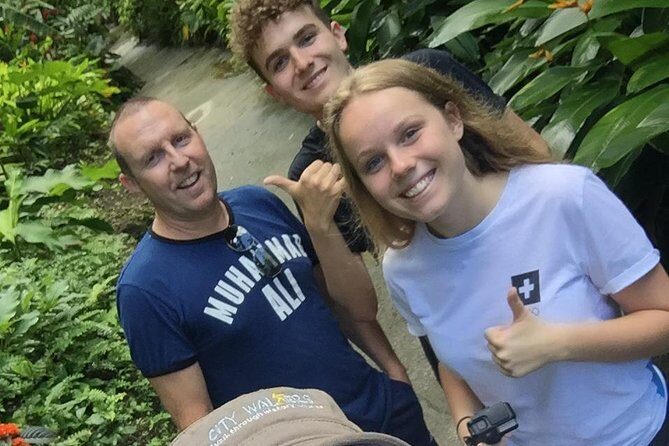
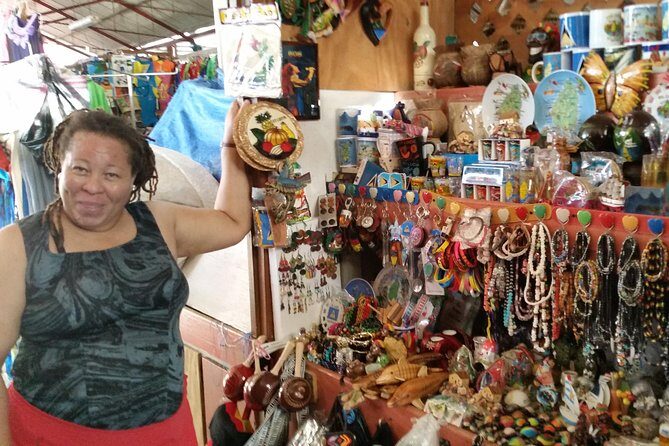
The first major stop is the Castries Market (Food Market). This is the part of the experience most people will remember, because it’s not abstract history. It’s hands-on. You’ll have a chance to learn by looking and then taste: local fruits, vegetables, spices, and flavors that are part of everyday life in St Lucia.
The tour even flags the market as once rated by National Geographic as one of the top 10 food markets in the world. You don’t need to chase that honor. The practical value is what comes next: you’ll learn what you’re actually seeing in the stalls. That makes any later shopping or ordering feel more confident.
How long it lasts: about 1 hour for the first market visit. That’s enough time to sample without feeling like you’re sprinting through every stall.
What to do with your appetite: one helpful tip from the feel of these tours is timing. Don’t overdo breakfast if you want the tastings to feel fun instead of uncomfortable. The walk includes sampling tied to their food tour approach, so come hungry in a good way.
Possible drawback: if you’re the type who wants museum-style artifacts and dramatic landmarks, markets can feel more like “life in progress” than “history on display.” That said, local food culture is exactly where history shows up in plain sight.
Derek Walcott Square: Nobel Prize Stories and Street-Level Meaning

Next up is Derek Walcott Square. This stop focuses on the man behind the bust and the people who contributed to St Lucia’s society. The tour connects the square to two Nobel Prize winners from St Lucia, presented as an extremely high concentration for such a small place.
Even if you’re not a trivia person, this stop can change how you see the city. Street names, monuments, and public squares are often your quickest map to what locals value. And in Castries, that connection is a big part of the story.
How long it lasts: about 30 minutes. That pacing is good. It gives you time to understand what you’re looking at without turning the walk into a long lecture.
What you’ll likely notice: the guide’s storytelling style. In past experiences with guides such as Georges and Shelly, people praised how clearly the information landed. If you enjoy conversation and Q&A, this is the moment where a good guide can make the whole tour click.
Jean Baptiste Bideau Monument and Bideau Park: Small Stops, Clear Purpose

Then the walk includes two quick cultural stops: the Monument of Jean Baptiste Bideau and Bideau Park.
These are short by design (each around 5 minutes), and that can be a good thing. Not every point needs a full explanation to matter. Here, the idea is to connect the dots: who shaped the city, what the markers say, and how public spaces carry memory.
Budget-friendly detail: these stops are described as free. So even if you’re watching your spending, you’re not paying extra for short moments of context.
What I like about this structure: it keeps the tour from feeling like one long stop after another. You get variety: market sensory input, a culture-and-people square, then quick historical nods, and back to food time.





Second Market Visit: Time to Shop, Eat, or Just Wander
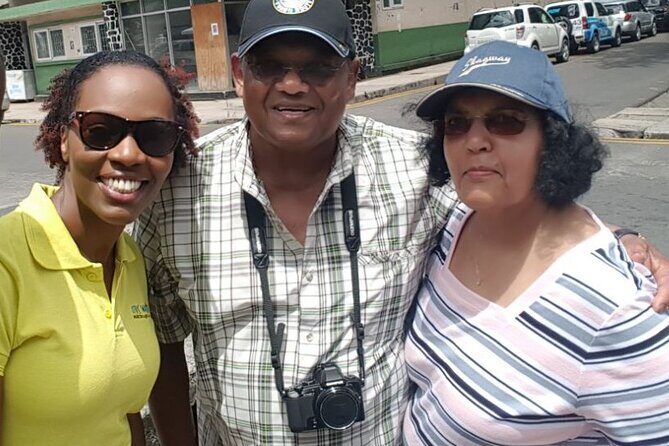
Later you get another chance at Castries Market with about 20 minutes. This is practical. After you’ve learned what to look for the first time, you return with better taste instincts and better bargaining confidence.
This second market window also helps the tour feel flexible. Some people use that time to keep sampling. Others use it to shop for fruit, spices, or simple souvenirs. The tour description also suggests you can explore, shop, or dine during that stretch.
A key value point: the first market stop teaches. The second lets you apply. That’s a smarter use of limited walking time.
Bottled Water and Coconut Water: The Small Comfort That Matters
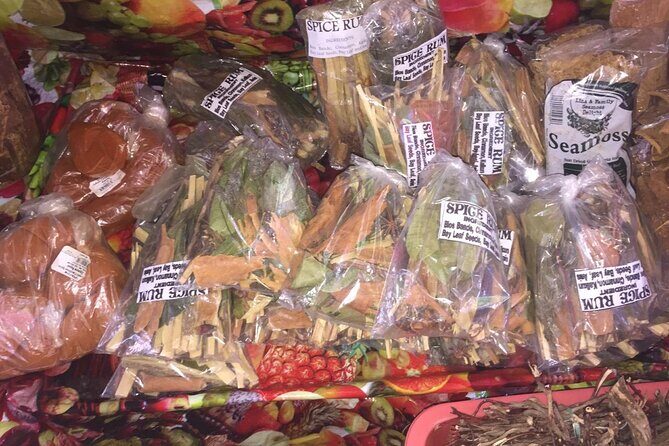
Included with the tour is bottled water or fresh coconut water. That kind of detail is easy to overlook when you’re reading “tour inclusions,” but on a walking tour it genuinely changes the experience.
If you’ve ever done a city walk and then had to hunt for drinks mid-route, you already know why this matters. Here, you can stay focused on the guide and the sights instead of detouring for refreshments.
Private Group Feel: Why It Changes the Quality
The tour is described as private for your group, meaning it’s restricted to your group rather than a big mix of strangers. That matters for two reasons:
First, you’re more likely to get a smoother pace. A group with fewer people can stop, ask questions, and keep walking without constant re-grouping.
Second, your guide can adapt their style. Feedback mentions guides like Georges, Ricardo, and Shelly for being patient, friendly, and willing to explain. If your group has different interests, you usually get more room to steer the conversation.
Guides Make or Break It: What to Expect From the Human Side
This is one of those tours where the guide isn’t just background. Names showing up in feedback include Georges, Ricardo, Georgie, and Shelly (and Schelly as spelled in one note). People praised guides for:
- being patient and answering questions
- keeping facts clear and enjoyable
- making market stops feel purposeful
- walking through parks and greenery while explaining what you’re seeing
At the same time, there’s a caution flag in the mix: Castries doesn’t have a lot of dramatic, intact “old world” scenery. One concern raised is that fires in recent history reduced how much visible historic infrastructure remains. Another concern is that some information can feel basic if you already researched before you arrived. A good guide can help, but if you’re expecting castles and forts on every corner, you may feel let down.
Who This Tour Fits Best (and Who Might Be Happier Elsewhere)
This tour is a great match if you want:
- a short walking orientation to Castries
- market sampling and street-level culture
- a guide who explains why places and street names matter
- a private-group vibe where questions are welcome
It might be less satisfying if you want:
- heavy-duty museum-style history with lots of intact structures
- a long day of driving between major sites
- a tour that feels like it’s reinventing the wheel if you’ve already studied Castries history in depth
If you’re in the early part of your trip, this one works well because it gives you a mental map. If you’re near the end of your trip, use the market time to focus on flavors and practical shopping.
Weather, Walking Pace, and Common-Sense Prep
The tour requires good weather. If conditions aren’t right, you’ll be offered a different date or a full refund.
Beyond that, treat it like any city walk: comfortable shoes help, and bring what you need for basic sun and comfort. The tour already covers water, but you still want to feel good enough to enjoy the stop-and-go pacing.
Should You Book Castries City Walking Tours?
I’d book it if you want a fast, friendly way to understand Castries through places that locals actually use: the market, public squares, and small monuments tied to real people. The combination of market tastings, Nobel Prize storytelling, and included drinks makes the $35 feel like more than a generic stroll.
I’d think twice if your expectations are set on big, intact colonial ruins. Castries has had a rough recent past, and the tour leans into what can still be explained, tasted, and seen. If you go with the right mindset—history as lived culture and street-level meaning—you’ll likely feel you got your money’s worth.
FAQ
How long is the Castries City Walking Tours experience?
The tour lasts about 1 hour 30 minutes to 2 hours (approx.).
Where does the tour start?
It starts at 55 John Compton Hwy, Castries, St Lucia.
Does the tour include pickup?
Pickup is offered, and the experience is described as having bottled water included.
What is included in the price?
The tour includes bottled water (or fresh coconut water) and admission tickets for certain stops (market and Derek Walcott Square are listed as having admission included).
Is food sampling included?
Yes. Bottled water or coconut water is included, and food sampling is included as part of their food tour/taste-style offerings.
Is this a private tour?
Yes. It is described as private, restricted to your own group.
Do I need to print anything if I book?
No. The tour includes a mobile ticket.
Is the tour suitable for most people?
The experience notes that most travelers can participate.
What happens if the weather is bad?
The experience requires good weather. If it’s canceled due to poor weather, you’ll be offered a different date or a full refund.
What is the cancellation policy?
You can cancel for a full refund up to 24 hours before the experience starts. Within 24 hours, the amount paid is not refunded.